Mahaprayaan

Mahaprayaan

A space for conversations we usually postpone.

72Posts
9Channels
—Members

Mahaprayaan

You are reading this community as a visitor. Join Mahaprayaan, or sign in if you are already a member.

Chhavi Jangid8hAgeing

उनकी अपनी दोपहर

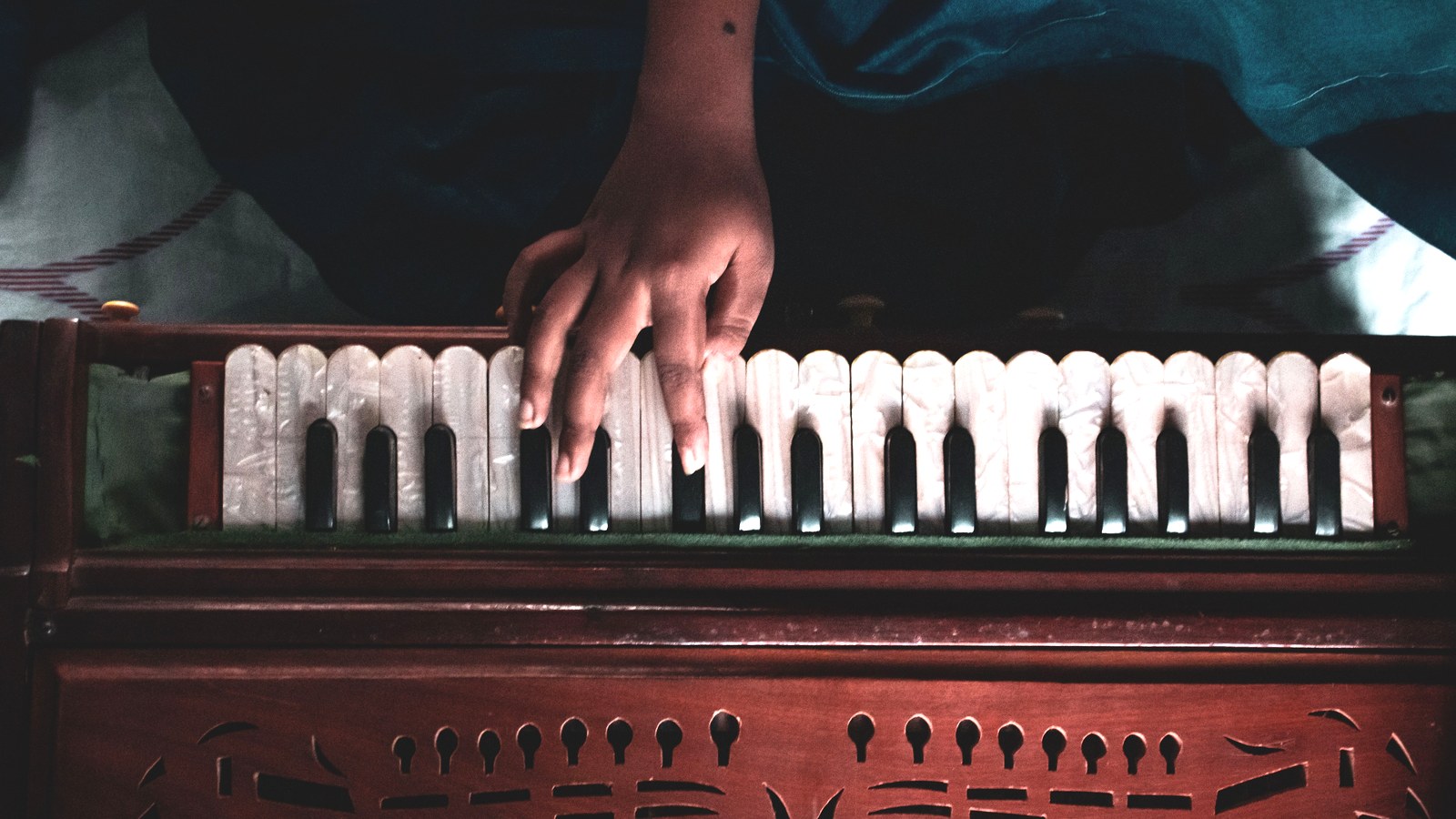
दोपहर में हारमोनियम का ढक्कन खुलता है। पहले दो-तीन सुर, फिर एक ही धुन पर बार-बार लौटना। बीच में कोई चाय रख जाता है। बजाने वाला अपनी कोशिश में लगा रहता है।

घर के बड़े हमेशा हमारे लिए कुछ करते हुए ही याद आते हैं। बाज़ार से सामान लाना, बच्चों को पढ़ाना, किसी का इंतज़ार करना। इसलिए जब वे अपने मन का कुछ करने बैठते हैं, तो कभी-कभी हम उसे बस खाली समय भरना समझ लेते हैं।

पर वह आधा घंटा उनका अपना भी तो हो सकता है। किसी के काम आने की ज़रूरत के बिना। सिर्फ़ इसलिए कि उन्हें सुर मिलाना अच्छा लगता है।

ख़याल रखने में यह जगह बचाए रखना भी शामिल है — जहाँ उनका मन लगे और हमें बीच में कोई काम न सौंपना हो।

आपके घर के किसी बड़े को अपने लिए आधा घंटा मिले, तो वे सबसे पहले क्या करना चाहेंगे?

Nikhil Sharma22hConversations

The line everyone has heard and nobody uses

"Live each moment as if it were your last."

It has been said so often that it has stopped arriving. It looks well on a poster. It is no use at all on a Tuesday morning.

Because if today were honestly the last one, nobody would go to the office, or pay the electricity bill, or sit through a meeting. Life does not run that way, and it cannot.

So perhaps the question was never about the whole day. Perhaps it is about one phone call. One sentence you have been meaning to say for months. One person you keep moving to next month, who is quietly moving you to next month as well.

Below is Sadhguru on a Norwegian talk show, talking about exactly this line. Worth the few minutes.

And then, honestly — not the whole day, just one thing:

अगर आज आख़िरी दिन होता, तो आज आप क्या अलग करते?

Chhavi Jangid1dLife

The bowl that comes back

A little kheer goes next door in a steel bowl. A few days later, the bowl returns with something else inside. Nobody keeps a count of whose turn it is.

The bowls get mixed up sometimes. Someone recognises a dent near the rim; someone says to keep this one for now. Between the two kitchens, there is always a small reason to knock.

We often remember a childhood home as the rooms our family lived in. But part of that home may have been across the landing, where a door opened without much explanation and an extra portion could find its way.

Which neighbour’s kitchen did your family’s steel bowls keep travelling to?

Chhavi Jangid2dLegacy

Abhi chal sakta hai

Ghar ka purana stool hilne lagta tha toh koi use ulta karke baith jaata. Ek pech kasta, jod ke neeche chhota sa tukda lagaata, phir haath rakhkar dekhta — ab theek hai.

Naya laane ki baat thodi der ke liye tal jaati. Wahi stool phir kisi ko oonchi shelf tak pahunchata, kisi ke joote pehenne ke kaam aata.

Aisi marammat mein sirf paisa bachaana nahi tha. Ek aadat bhi thi: kisi cheez ko chhodne se pehle dekh lo, kya use thoda aur saath rakha ja sakta hai.

Kabhi lagta hai, ghar se mili virasat mein ye nazar bhi shaamil hai. Cheez ki kharaabi se pehle uski bachi hui gunjaish dekhna.

Aapke ghar mein kaunsi cheez kisi apne ki marammat ki wajah se aaj bhi kaam aa rahi hai?

Chhavi Jangid4dRituals

धूप में रखी रज़ाइयाँ

ठंड पड़ने से पहले घर में एक दिन रज़ाइयाँ बाहर निकलती थीं। कोई उन्हें छत पर बिछाता, थोड़ी देर बाद पलटता, फिर शाम होने से पहले आवाज़ लगाता — ज़रा ऊपर से उतार लाना।

किस रज़ाई की रुई एक तरफ़ खिसक गई है, किसका खोल बदलना है, कौन सी मेहमानों के लिए रखनी है — किसी एक को सब मालूम रहता था।

रात को वही रज़ाई ओढ़ते तो उसमें धूप की गरमाहट बची होती। हमने शायद ही कभी पूछा हो कि उसे कितनी बार पलटा गया था।

घर में मौसम अपने आप नहीं बदलता था। कोई पहले से उसके आने की तैयारी करता था, ताकि बाक़ी सबको बस आराम मिले।

आपके घर में सर्दियों की तैयारी का कौन सा छोटा काम हर साल ज़रूर होता था?

Chhavi Jangid5dConversations

Show me once

There is a particular way someone in the family checks whether a plant needs water. A finger in the soil. A glance at the leaves. A small turn of the pot towards the light.

Ask them how they know, and the answer may be: come here, I will show you.

We often ask older people whether they have eaten, taken their medicines, or slept well. Those questions matter. But there is another kind of conversation in asking them to teach us something.

For a while, they get to explain. We get to be the one who does not know. And a little piece of what they have learned has somewhere to go.

What is one everyday skill you would like someone older in your family to show you?

Chhavi Jangid6dMemory

Bas ek baazi aur

Carrom bichhte hi ghar ke rishton ke naam thodi der ke liye badal jaate the. Bade-chhote ki jagah do team hoti thi. Aur jo din bhar sabko samjhaate the, wo bhi apni baari par keh dete — ye shot dobara lene do.

Koi powder zyada daalta tha. Koi queen lene ke baad cover bhool jaata. Rasoi se bulaawa aata toh jawaab lagbhag tay tha — bas ek baazi aur.

Us waqt koi yaad nahi bana raha tha. Sabko sirf jeetna tha.

Ab kabhi board nikalta hai toh score yaad nahi aata. Yaad aata hai kaun haarte waqt kya bahaana banaata tha, aur kiski hansi par poora kamra hans padta tha.

Aapke ghar mein khel ke waqt sabse zyada bachcha kaun ban jaata tha?

Chhavi Jangid1wFamily

सुई-धागे वाला डिब्बा

घर में एक छोटा डिब्बा होता था, जिसमें कभी बिस्कुट रहे होंगे। अब उसमें धागे की रीलें हैं, अलग-अलग बटन हैं, और एक सुई जिसे ढूँढ़ते वक़्त सब ज़रा सँभलकर हाथ डालते हैं।

कमीज़ का बटन टूटता था तो कोई कहता था — उतारकर रख दो, लगा दूँगा। अगले दिन वही कमीज़ फिर पहनने लायक मिलती थी। हम कब पहनकर निकल गए, शायद उन्हें पता भी नहीं चलता था।

उस डिब्बे में कई बटन ऐसे भी हैं जिनके कपड़े बरसों पहले जा चुके। फिर भी कोई उन्हें फेंकता नहीं। कभी काम आ जाएँगे।

किसी का ख़याल रखना कई बार इतना छोटा काम होता है कि उसका ज़िक्र ही नहीं होता। बस अगली सुबह एक चीज़ ठीक मिलती है।

आपके घर में सुई-धागे वाला डिब्बा किसके पास रहता था?

Chhavi Jangid3wAgeing

खिड़की तक की दुनिया

कोई ऐलान नहीं होता। दायरा बस धीरे-धीरे छोटा होता जाता है।

पहले पूरा शहर था। फिर बाज़ार जाना छूटा — भीड़ बहुत है, कोई ला ही देगा। फिर कॉलोनी का चक्कर। फिर गेट तक। और एक दिन दुनिया उतनी रह जाती है, जितनी उस खिड़की से दिखती है।

घर में किसी को ठीक-ठीक याद नहीं रहता कि ये कब हुआ। हम बस इतना कहते हैं — अब वो ज़्यादा बाहर नहीं निकलते।

पर जो सिकुड़ा, वो सिर्फ़ रास्ता नहीं था। वो लोग भी थे जो रास्ते में मिल जाते थे। वो छोटे-छोटे काम भी, जो अपने दम पर होते थे।

आपके घर के किसी बुज़ुर्ग ने आख़िरी बार कौन सा काम अकेले, बिना किसी को बताए किया था?

Chhavi Jangid3wRituals

Nikalte waqt, darwaze par

Ghar se nikalne mein hamesha kuch extra second lagte hain.

Koi peeche se kehta hai sambhal ke jaana. Koi haath sar par rakh deta hai. Kahin dahi-cheeni, kahin bas itna — paani pee ke jaao.

Hum ise ritual nahi kehte. Iska koi naam nahi hai. Ye bas roz hota hai, bina kisi ke tay kiye.

Phir ek din aap kisi doosre shehar mein apna darwaza band karte hain, aur sab theek hota hai — bas nikalne mein kuch second kam lagte hain.

Jo log hamein roz darwaze tak chhodne aate hain, wo sirf vidaa nahi karte. Wo yaad dila dete hain ki laut kar aana kisi ke liye hai.

Aapke ghar mein nikalte waqt kaun sa ek shabd ya ishaara har baar dohraaya jaata tha?

Chhavi Jangid3wAgeing

The things they start giving away

At some point an elder begins handing things over. A watch, pressed into your palm on an ordinary afternoon. A set of bangles. A box of papers, with a line about where everything is kept.

It is never announced, and never named for what it is.

Most of us take it lightly, or awkwardly, and change the subject. Only later does it become clear that something careful was happening — a person putting their house in order while they still could, deciding by themselves who should have what, and doing it quietly enough that nobody had to discuss it.

It is one of the last decisions a person gets to make entirely on their own.

Has someone in your family started handing things over — and what did they give you?

Chhavi Jangid4wLife

आख़िरी रोटी

घर में खाना सबके साथ शुरू होता है, पर ख़त्म अकेले होता है।

कोई एक इंसान हमेशा तवे के पास खड़ा रहता है। सबकी थाली में गरम रोटी जाती है, और उनकी अपनी थाली रसोई में ही रखी रहती है — ठंडी होती हुई। सब उठ जाते हैं, बर्तन समेटे जाते हैं, और तब वो बैठते हैं। अकेले। आख़िरी रोटी अपने लिए।

बचपन में हमने इसे देखा ही नहीं। हमें लगा यही तरीका होता है।

बहुत साल बाद समझ आता है कि वो आदत नहीं थी। वो एक फ़ैसला था — रोज़ दोहराया गया, और कभी किसी को बताया नहीं गया।

आपके घर में सबसे आख़िर में कौन खाता था?

Chhavi Jangid4wFarewells

Kisi ne poochha hi nahi

Jab kisi apne ki vidaai ka din aata hai, ghar mein ek sawaal khada ho jaata hai. Unhein kaise, kahan, kis tarah.

Aur tab pata chalta hai ki theek se kisi ko maloom nahi. Chacha kehte hain aisa hona chahiye. Behen ko lagta hai unhone kabhi kuch aur kaha tha. Koi ek baat yaad karta hai jo bees saal pehle hansi mein kahi gayi thi.

Hum unki har choti pasand jaante hain. Chai mein kitni cheeni. Kaunsi kursi unki hai. Kis din wo phone karte hain. Bas ye ek baat kabhi nahi poochhte.

Ye poochhne ki baat hai, darne ki nahi. Jo keh diya jaata hai, uspar baad mein behes nahi hoti.

Aapke ghar mein ek bhi insaan aisa hai jise pata ho ki aap apni vidaai kaisi chahte hain?

Chhavi Jangid4wLegacy

What they planted

In a lot of old houses there is a tree nobody chose.

A guava at the edge of the courtyard. A neem by the gate. Someone put it there the year a child was born, or the year they moved in, and then spent thirty summers under it without mentioning it again.

The tree outlives them. It goes on dropping fruit on a floor they used to sweep. Children who never met them climb it. Somebody trims a branch because it is scraping the wall, and no one left in the house can say who planted it, or why that corner.

Most of what we leave behind works like this. Still standing, still useful, already anonymous.

What is there in your family's house that someone put there, and nobody can still say who?

Chhavi Jangid4wConversations

चिट्ठियों वाला डिब्बा

पुराने घरों में एक डिब्बा होता है। बिस्कुट का टिन, या कोई पुराना बक्सा। उसमें चिट्ठियाँ रखी होती हैं — अंतर्देशीय पत्र, नीले एयरोग्राम, किसी कार्ड के पीछे लिखी दो लाइनें।

कोई चला जाता है, तो वो डिब्बा खुलता है। और पहली बार हम उन्हें उनकी अपनी भाषा में पढ़ते हैं। जिस तरह वो लिखते थे। जिस बात की चिंता करते थे। जिन लोगों का नाम बार-बार आता था।

हम अब चिट्ठियाँ नहीं लिखते। बातें पहले से ज़्यादा होती हैं, पर बचता कुछ नहीं। मैसेज फ़ोन के साथ ही चला जाता है।

तीस साल बाद कोई आपका डिब्बा खोलेगा — उसमें क्या मिलेगा?

Chhavi Jangid4wFamily

Dekhe bina pehchaan lete hain

Ghar mein sab ek doosre ko bina dekhe pehchaante hain.

Chaabi ka ek khaas tarah se ghoomna. Chappal ki wo aawaz jo seedhi kitchen ki taraf jaati hai. Gala saaf karna. Doosre kamre se choodiyon ki halki si khanak — aur aap sar uthaye bina jaan jaate hain ki wo uth gayi hain.

Ye koi sikhai hui cheez nahi hai. Saalon ek chhat ke neeche rehne se apne aap aa jaati hai. Hum isse pyaar ka naam bhi nahi dete. Bas aadat samajh lete hain.

Par shayad ghar ka matlab yahi hai — wo jagah jahan aapko pehchaanne ke liye kisi ko aapki taraf dekhne ki zaroorat nahi padti.

Aapke ghar mein wo kaun hai, jiski aahat aap aankh band karke bhi pehchaan lenge?

Chhavi Jangid5wAgeing

The ones who knew them young

There comes a point in a long life when the people who could describe you at twenty are mostly gone.

The friend from the hostel. The colleague who was there for the first promotion. The cousin who remembers what you were like before you became sensible.

After that, everyone in the room only knows the later edition. The careful walk. The afternoon rest. The story told twice.

We think of ageing as the body slowing down. Often it is quieter than that. It is being the last witness to your own younger self, with nobody left to lean over and say, you should have seen him then.

Who is still around who knew you before anybody else did?

Chhavi Jangid5wMemory

हर तस्वीर में जो नहीं है

घर के पुराने एल्बम में एक बात अक्सर बहुत देर से समझ आती है।

हर तस्वीर में लगभग सब हैं। बच्चे, मेहमान, वो चाचा जो कभी सीधे खड़े नहीं हुए। पर एक इंसान किसी तस्वीर में नहीं है।

वही, जो हर बार कैमरा पकड़े रहता था। ज़रा पास आ जाओ। बच्चे को आगे करो। एक और लेता हूँ, आँख बंद हो गई थी।

उन्होंने घर की सारी यादें बना दीं, और ख़ुद उनमें से बाहर रह गए।

सालों बाद एल्बम खोलिए, तो सबसे ज़्यादा याद वही आता है जो फ़्रेम में नहीं — फ़्रेम के पीछे था।

आपके घर की तस्वीरें कौन खींचता था?

Chhavi Jangid5wLegacy

Almirah mein rakhi wo saree

Har ghar ki almirah mein ek cheez aisi hoti hai jo pehni nahi jaati.

Ek saree, tissue paper mein lipti hui, sabse neeche wali shelf par. Kisi shaadi ke liye rakhi thi. Phir kisi aur shaadi ke liye. Phir — abhi rehne do, kharab ho jayegi.

Saal guzarte hain. Naphthalene badalti rehti hai. Saree wahi rehti hai.

Hum sochte hain ye sambhaal kar rakhna hai. Par shayad ye ek din ka intezaar hai jo kabhi aata hi nahi — kyunki har din us ek din se thoda kam lagta hai.

Aur phir ek roz wahi saree kisi aur ke haath mein pahunch jaati hai, jo use pehen leta hai, bina ye jaane ki wo kis din ka intezaar kar rahi thi.

Aapke ghar mein aisi kaunsi cheez hai jo sambhaal kar rakhi gayi, par kabhi istemaal nahi hui?

Chhavi Jangid5wConversations

The place they came from

In a lot of families there is a town nobody has been to.

It arrives in pieces. A river that was wider then. A school with a tin roof. A neighbour's name still mentioned as if you ought to know it. Somebody left that place once, with two trunks and a ticket, and everything after — the city, the job, this house, you — began on the other side of that journey.

We rarely ask about it properly. It sounds like old talk, and there is always something on the stove.

But that town exists now in one person's telling, and nowhere else.

Which place in your family's story have you only ever heard about, and never seen?

RRiya5wLife

Safar-E-Zindagi

Zindagi ek safar hai, zara sambhal kar chalna, Jo pal mile hain, unhe khul kar jeena, khul kar dhalna.

Kal ki fikr mein aaj ko barbaad na karna, Jo apne hain paas, unse mohabbat kam na karna.

Kuch log milenge, kuch raahon mein chhoot jaayenge, Kuch kisse adhure rehkar bhi dil mein reh jaayenge.

Manzil toh aakhir ek din sabko mil hi jaayegi, Phir kya bachega? Bas yaadon ki roshni reh jaayegi.

Toh safar ko bhi manzil ki tarah khaas rakhna, Zindagi chhoti si hai - ise zindagi ki tarah jeena.

Chhavi Jangid5wRituals

सुबह की पहली चीज़

घर में हर किसी की सुबह का एक क्रम होता है, जो कभी लिखा नहीं गया।

कोई उठते ही चश्मा ढूँढ़ता है — वही मेज़, वही कोना, वही जगह। फिर खिड़की खोलना। फिर चाय। फिर वही कुर्सी, वही अख़बार, वही पन्ना पहले।

हमें लगता है ये आदतें हैं। पर सच ये है कि ये उनका अपना छोटा-सा रिवाज़ था, रोज़ दोहराया हुआ, बिना किसी को बताए।

और जिस दिन वो इंसान नहीं रहता, चश्मा उसी मेज़ पर रखा रह जाता है — अपनी जगह पर। तब वो चीज़ नहीं लगती। एक अधूरा क्रम लगता है।

हमें त्योहार याद रहते हैं। पर किसी को सबसे साफ़ यही याद रहता है — उनकी सुबह कैसे शुरू होती थी।

आपके घर में सबसे पहले कौन उठता है, और उठकर सबसे पहले क्या करता है?

Chhavi Jangid5wFarewells

Ghar sunai alag deta hai

Kisi ke jaane ke baad sabse pehle ghar ki aawaz badalti hai.

Ek waqt hota tha jab dopahar mein radio chalta tha. Chaar baje bartanon ki khadak. Raat ko kundi, der se aane wale ke liye khuli chhodi hui. Koi khaansta tha doosre kamre se, aur aapko pata chal jaata tha ki wo jaag gaye hain.

Wo saari aawazein ek din chup ho jaati hain. Ghar waisa ka waisa rehta hai — wahi pankha, wahi ghadi, wahi gali ka shor bahar se aata hua. Par andar ki ek parat kam ho jaati hai, aur baaki sab kuch achanak zyada ooncha sunai dene lagta hai.

Log kehte hain ghar khaali lagta hai. Sach ye hai ki ghar sunai alag deta hai.

Aapke ghar ki wo kaun si aawaz thi, jo kisi ek insaan ke saath hi chali gayi?

MSManul Sharma5wMemory

Awaaz ki koi copy nahi hoti

Ghar mein tasveerein bahut hoti hain. Albums, phone, ab toh cloud bhi.

Par socha hai - kisi ki aawaz ka aapke paas kya hai?

Shayad kuch nahi. Ek-do second ka video, wo bhi kisi shaadi ka, jisme background mein wo kuch keh rahe hain aur theek se sunai bhi nahi deta.

Chehre ruk jaate hain. Aawaz nahi rukti. Wo sirf humare andar rehti hai, aur dheere-dheere halki padti jaati hai - pehle lehza jaata hai, phir wo tareeka jisse wo aapka naam lete the.

Agli baar jab ghar se phone aaye, baat khatam karne se pehle record daba dijiye. Bataane ki bhi zaroorat nahi.

Aapke ghar mein wo kaunsi aawaz hai jise aap sabse pehle sambhal kar rakhna chahenge?

RARiya Arora5wFamily

The tiffin at the door

In a lot of houses there was one person awake before everybody else.

Not for any reason worth announcing. Only so that the tiffin was standing ready near the door by the time the rest of the house came out of their rooms.

Three steel containers. The sabzi that travels well at the bottom. Rotis wrapped in a cloth so they are still soft at one o'clock. The clasp pressed down and checked twice.

Nobody at the lunch table ever thought about the hour it was packed in. That was rather the point. Care, done well, does not look like anything at all.

Whose early mornings in your house were spent entirely on somebody else's day?

RCRonak Chandna5wLegacy

जिनसे हम कभी मिले नहीं

आज से पितृ पक्ष शुरू।

इन पंद्रह दिनों में जिन्हें याद किया जाता है, उनमें कुछ ऐसे भी होते हैं जिन्हें हमने कभी देखा ही नहीं। परदादा। परदादी। कोई नाम जो हर साल लिया जाता है, जिसके साथ कोई चेहरा नहीं जुड़ा।

हम उन्हें एक नाम की तरह याद रखते हैं। वो क्या करते थे, कहाँ से आए थे, किस बात पर हँसते थे — ये अब किसी को पता नहीं। दो पीढ़ियों में इंसान सिकुड़कर एक शब्द रह जाता है।

और यही हमारे साथ भी होगा। किसी दिन कोई हमारा नाम लेगा, बिना ये जाने कि हम कौन थे।

आपके घर में सबसे पुराना नाम कौन सा है जो आज भी लिया जाता है — और उसके बारे में एक बात, कोई बता सकता है?

MSMohit Saraswat5wMemory

Almirah mein rakhi file

Har ghar mein ek aisi file hoti hai. Steel almirah ke sabse neeche wale khaane mein, dhaage se bandhi hui.

Usme aapke kaam ki koi cheez nahi hai. Saatvi class ka report card. Kisi inter-school competition ka certificate. College ki fees ki ek rasid. Ek photo jo aapko kabhi pasand nahi aayi.

Aap uske baare mein kabhi sochte bhi nahi. Lekin kisi ne wo sab saal dar saal sambhaal kar rakha — bina bataye, bina kisi wajah ke. Sirf isliye ki wo aapka tha.

Hum maante hain ki hum apne bade-buzurgon ko yaad rakhte hain. Kabhi kabhi lagta hai, wo humein hum se zyada yaad rakhte hain.

Aapke ghar mein wo file kiske paas hai — aur usme aapka kya rakha hua milega?

USUsha Sharma5wLife

The bunch of keys

In most houses there is one person who carries the keys.

Not a neat keyring. A heavy bunch on a loop of thread — the almirah, the terrace door, the lock on a trunk nobody opens, two keys whose locks left the house years ago.

They know which one turns easily and which one needs lifting before it turns. They know it without looking.

It is a small kind of authority, and nobody hands it over formally. It simply moves one day, to whoever is standing there in the morning.

A house can be read by who keeps its keys, and by whether anyone else knows where they hang.

Who carries the keys in your house, and who would know where to find them tomorrow?

DVDr Vishakha5wAgeing

जो अब माँगते नहीं

घर के सबसे बुज़ुर्ग इंसान की एक आदत अक्सर किसी को दिखती नहीं। वो माँगना बंद कर देते हैं।

पहले कहते थे, ज़रा वो डिब्बा ऊपर से उतार दो। अब स्टूल ख़ुद लगा लेते हैं, और किसी को बताते भी नहीं।

पहले कहते थे, आज दाल थोड़ी पतली रखना। अब जो बना है, वही ठीक है।

ये संतोष नहीं होता। ये हिसाब होता है — कि अब मैं किसी के दिन में कितनी जगह ले सकता हूँ।

और घर को लगता है कि उन्हें कुछ चाहिए ही नहीं। चाहिए होता है। बस पूछे जाने का इंतज़ार होता है।

आपके घर में वो कौन है जो सबसे कम माँगता है?

VAVanshika Ajmera5wFamily

Jab kisi ne unka naam liya

Bachpan mein maa-baap ke naam nahi hote. Sirf maa hoti hai, sirf papa hote hain.

Phir ek din koi purana dost ghar aata hai aur unhein unke naam se bulata hai. Aur ek pal ke liye wo koi aur lagte hain. Koi jo aapse bahut pehle bhi ek poora insaan tha.

Unki apni pehli naukri thi, jo shayad unhein pasand bhi nahi thi. Ek shauk jo kahin chhoot gaya. Ek dost jisse ab baat nahi hoti. Koi darr jo unhone kabhi kisi ko nahi bataya.

Hum aksar unhein sirf us hisse mein jaante hain jo humare hisse aaya.

Apne maa ya papa ke baare mein aisi kaun si baat hai jo aapko bahut der se pata chali?

RKRishabh Kumar5wRituals

The Sunday phone call

Somewhere in most families there is a call that happens on the same day, at roughly the same hour.

Nobody scheduled it. It settled there years ago and stayed.

The news in it is rarely news. The weather. Somebody's knee. A neighbour's son who has moved abroad. Ten minutes, sometimes eight. Often the same ten minutes as last week.

It looks like nothing. It is actually the whole arrangement — the standing proof that someone is still there on the other end, at the usual hour, on the usual day.

Most families only notice the shape of it on the day the hour comes and the phone stays quiet.

Which day of the week belongs to a call in your family, and who usually picks up first?

RARiya Arora5wConversations

वो नंबर जो अब भी सेव है

फ़ोन में कुछ नंबर ऐसे रह जाते हैं जिन्हें हम कभी डिलीट नहीं करते।

उस नंबर पर अब कोई नहीं उठाएगा। हो सकता है वो किसी और को दे भी दिया गया हो। फिर भी नाम वहीं रहता है — उसी वर्तनी में, उसी पुराने शब्द के साथ जो हमने बरसों पहले लिखा था। पापा। बड़ी दीदी। घर।

कभी लिस्ट में ऊपर-नीचे करते हुए वो नाम सामने आ जाता है, और एक पल के लिए हाथ रुक जाता है।

हम उसे रखे रहते हैं क्योंकि हटाना एक फ़ैसला लगता है। और कुछ फ़ैसले हम लेना नहीं चाहते।

आपके फ़ोन में वो कौन सा नाम है जिसे आप आज तक हटा नहीं पाए?

USUsha Sharma5wLegacy

Jo likha tha, aur jo nahi

Har ghar mein ek dish hoti hai jo sirf ek insaan theek banata tha.

Baaki sab ne koshish ki. Wahi masale, wahi kadhai, wahi aanch. Phir bhi kuch reh jaata hai.

Kabhi kabhi wo recipe kahin likhi mil jaati hai. Kisi purani copy ke aakhri panne par, ya bill ke peeche, unke apne haath se. Aadha maap likha hua. Baaki ke aage sirf andaaz se.

Jo likha tha wo mil jaata hai. Jo unke haathon mein tha, wo nahi milta.

Shayad virasat yahi hai. Thodi si likhi hui, baaki dekh kar seekhi hui. Aur jo dekhna reh gaya, wo reh hi gaya.

Aapke ghar mein wo ek dish kaun banata tha, aur aapne kabhi unke saath rasoi mein khade hokar dekha?

DVDr Vishakha5wLife

The one who remembers

Every family has one person who remembers the birthdays.

Not from a calendar on a phone. They simply know. The cousin in another city. The anniversary of a marriage that happened before most of the family was born.

They call early, usually before anyone else has thought of it. They ask about the children by name. They remember which one had exams.

Nobody appoints them to this. Nobody thanks them for it properly either. And when they are gone, certain mornings are quieter than they used to be, and it takes a while to understand why.

Who is that person in your family, and when did you last call them on an ordinary day?

SSSuresh Kumar Sharma5wFarewells

सबसे पहले कौन आया था

किसी घर में जब कोई चला जाता है, तो सबसे पहले अक्सर पड़ोसी आते हैं।

रिश्तेदार अभी ट्रेन में होते हैं। फ़ोन अभी लग ही रहे होते हैं। और तब तक कोई सामने वाले घर से चादर ले आता है। कोई चाय का इंतज़ाम कर लेता है। कोई चुपचाप चप्पलें एक तरफ़ सरका देता है और दरवाज़ा खुला रहने देता है।

इन लोगों का नाम किसी काग़ज़ पर नहीं आता। शोक में इनका कोई दर्जा नहीं होता। फिर भी सालों बाद घर के लोग यही याद रखते हैं — कि उस दोपहर, जब कुछ समझ नहीं आ रहा था, कोई बिना पूछे रसोई में खड़ा था।

मदद अक्सर वहाँ से आती है जहाँ से उम्मीद नहीं होती।

आपके परिवार में वो कौन था, जो बिना बुलाए सबसे पहले पहुँचा था?

RCRonak Chandna6wMemory

Ek khushboo, aur wo wapas

Tasveerein hum sambhaal kar rakh lete hain. Aawaazein aaj kal record bhi ho jaati hain. Par khushboo ko rakhne ka koi tareeka nahi hai.

Aur wahi sabse tez nikalti hai.

Kisi galiyare mein koi guzar jaata hai — purana talcum powder, ya naariyal tel, ya kisi khaas agarbatti ki mehak — aur do second ke liye aap chhe saal ke ho jaate hain, kisi aur ghar mein, kisi aur ke paas khade.

Dimaag ne wo yaad kahin sambhaal ke nahi rakhi thi. Wo bas padi rahi, khuli hui, kisi ke us raaste se guzarne ke intezaar mein.

Aap use bula nahi sakte. Wo khud aati hai, aur utni hi jaldi chali jaati hai.

Wo kaunsi khushboo hai jo aapko seedha kisi ek insaan ke paas le jaati hai?

VAVanshika Ajmera6wMemory

Khushboo sabse pehle pahunchti hai

Yaadon ka darwaza aksar aankhon se nahi khulta.

Kisi ke ghar ke bahar se guzarte hue phulka sikne ki khushboo aa jaati hai — aur ek pal ke liye aap kisi aur kitchen mein khade hain, kisi aur umr mein.

Naphthalene ki goliyan almirah mein. Barsaat ke baad ki mitti. Ek purana talc. Sarson ka tel garam hote hue.

In cheezon ko koi sambhal kar nahi rakhta. Inka koi album nahi banta, koi inhein frame nahi karta.

Phir bhi yahi sabse seedha raasta hai. Tasveer dekhne mein thoda waqt lagta hai. Khushboo bina poochhe andar aa jaati hai, aur aapko wahin le jaati hai — us kamre mein, us insaan ke paas.

Aapko kis ek khushboo se, kaun turant yaad aa jaata hai?

USUsha Sharma6wFamily

The marks on the doorframe

Somewhere in most houses there is a doorframe with pencil marks on it.

A name, a date, a line drawn with a book held flat on a child's head. Then another one a year later, higher up.

Nobody thought of it as record keeping. It was a game on an ordinary afternoon, and then everyone went back to what they were doing.

But it is one of the few honest measures a family keeps. Not of achievement. Of time passing in a house where people were present enough to notice.

Houses get painted. Walls come down. The marks usually go without anyone deciding that they should.

What is the one thing in your family home that quietly kept count of the years?

MSMohit Saraswat6wAgeing

हाथ बदल जाते हैं

बरसों तक वो हाथ उनका था।

स्कूल के गेट तक। मेले की भीड़ में। अस्पताल की लंबी क़तार में।

फिर किसी दिन, बिना किसी घोषणा के, पकड़ बदल जाती है। अब दवाइयों के नाम आपको याद रहते हैं। फ़ोन पर आप पूछते हैं, खाना खाया? सीढ़ियों पर आप एक क़दम पीछे चलते हैं, ताकि उन्हें पता न चले कि आप सँभालने के लिए वहाँ हैं।

कोई ये सिखाता नहीं। और कोई ठीक से बताता भी नहीं कि ये एक साथ कितना कोमल और कितना अजीब लगता है।

वो कौन सा पल था, जब आपको पहली बार लगा कि अब हाथ आपका है?

RARiya Arora6wConversations

Wahi kahani, phir se

Aaj World Alzheimer's Day hai.

Kai gharon mein ek kahani baar baar sunai jaati hai. Wahi gaon. Wahi baarish. Wahi cycle jo ek din nahar mein gir gayi thi.

Pehli baar hum dhyaan se sunte hain. Dasvi baar tak beech mein hi keh dete hain — "haan, ye aapne bataya tha."

Jin gharon mein yaaddasht dheere dheere saath chhod rahi hai, wahan wahi kahani kuch aur ban jaati hai. Ek raasta jo abhi bhi khula hai. Ek jagah jahan wo insaan ab bhi poori tarah khud hai.

Shayad us waqt sahi jawab "ye aapne bataya tha" nahi hota. Shayad sahi jawab hota hai — "phir kya hua?"

Aapke ghar mein kaunsi kahani itni baar sunai gayi hai ki aap use shabd-ba-shabd jaante hain?

RKRishabh Kumar6wRituals

The small ones

Not every ritual is religious.

Tea at the same time every morning. A call every Sunday. The same sweet on the same day each year. The route someone always took on their evening walk.

These are rituals too. They hold a life together with the same quiet strength, and they are usually the ones that end without anyone deciding to end them.

What is a small ritual you would restart tomorrow if you could?

RCRonak Chandna6wLife

The question underneath

Most of us are asked, very early, what we want to be.

Very few of us are asked what we want our days to feel like.

One question builds a career. The other builds a life. They are not always the same question, and we usually notice the difference much later than we should.

If someone had asked you the second question at twenty, what would you have said? And would you say the same thing now?

VAVanshika Ajmera6wFarewells

What families actually remember

Ask someone about a funeral twenty years later and they will not describe the arrangements.

They will describe who came. Who stayed. Who said the right thing, and who said nothing at all but sat down beside them and stayed sitting.

The logistics matter enormously on the day, and are forgotten entirely afterwards. The presence is what remains.

What do you remember most from a farewell you attended?

SSSuresh Kumar Sharma6wLegacy

The letter nobody writes

Almost everyone intends to write it. Almost nobody does.

Not a will. That is a different document, and it handles only the parts a lawyer can handle. The other one. The one that says what you thought of someone, what you hoped for them, and the things that were too large to mention at dinner.

We assume it is understood. Often it is. But understood and said are not the same thing, and only one of them can be read again later.

Who would yours be addressed to?

DVDr Vishakha6wAgeing

Still the same person

We start speaking to older people differently. Slower. Louder. Simpler. Kindly meant, almost always.

But the person inside has not changed. They still have opinions about music, things they have never told anyone, and a sense of humour that is often sharper than ours.

Ageing changes what a body can do. It does not change who is in there.

What did you learn about someone older only after you started asking them real questions?

Nikhil SharmaEvent7w

Event

मैं ज़िंदगी का साथ निभाता चला गया — एक शाम, हँसते-मुस्कुराते लोगों के नाम

कुछ लोग होते हैं जो हर हाल में मुस्कुरा देते हैं। हिसाब नहीं रखते, शिकायत नहीं करते, और जिस कमरे में बैठते हैं उसे थोड़ा हल्का कर देते हैं।

This evening is for exactly those people.

Eight words of a film song, and a whole way of living inside them. You keep walking alongside life. You keep your side of the bargain. You stay pleasant about it. Not because any of it was easy — because that was the temperament.

There is a generation among us that lived precisely like that. A house built on a provident-fund loan. Children raised on one salary. A city changed with two steel trunks. And somehow the most cheerful people in any room they walked into. They never made a speech about resilience. They simply got on with it, kindly.

We would like to spend ninety minutes with them.

बातचीत के लिए कुछ सवाल

· The first salary, and what it bought.

· The friend who is still a friend after fifty years.

· A song from the radio you can still sing all the way through.

· A risk you took that everybody advised you against.

· Something that made you laugh so hard you still remember the room.

· What keeps you cheerful. Honestly. What is the trick.

· A kindness somebody did for you that you never repaid and never forgot.

· Something you are still curious about at seventy-five.

कैसे होगा

Online, so you can join from your own drawing room with chai in hand. Ninety minutes. No slides, no lecture, nothing to prepare, nothing being sold. Camera on if you like it, off if you don't — plenty of people will come only to listen, and that is a perfectly good way to attend.

Moderated by Nikhil Sharma and Shaily Sharma, who will mostly get out of the way and let the room talk.

किनके लिए

Our parents' friends first. Anyone of that generation with a story of their own and the patience to enjoy somebody else's. Sons and daughters are welcome as guests, on one condition — you let your parent do the talking.

चले आइए। हँसने के लिए किसी बहाने की ज़रूरत नहीं। Going, Maybe या Can't बता दीजिए, joining link भेज देंगे।